

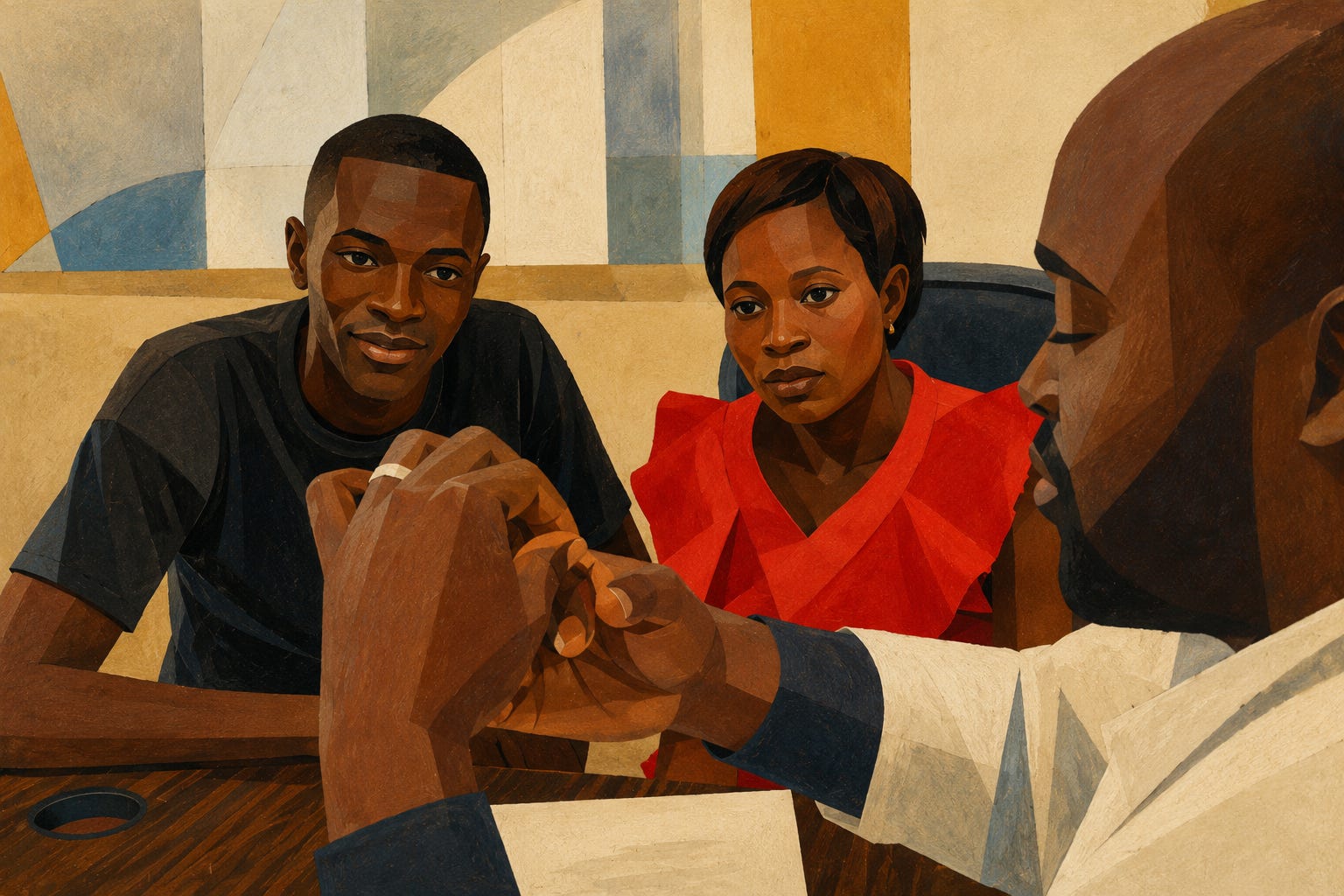
I sometimes ask students a simple question when I teach about men’s sexual and reproductive health (SRH): Has a doctor ever talked with you about preventing a pregnancy? Not HIV or STI prevention. Pregnancy prevention. Typically, every woman in the room raises her hand. Among the men, I may see one or two, often older men whose conversation happened around a vasectomy. I have asked this question enough times that the pattern no longer surprises me. What still surprises me is how normal it seems.
That question was taken from my own reality. The first time I was counseled by a physician about my role in preventing a pregnancy was during the pre-operative process for my vasectomy. By that point, I was an adult man with two children and had spent years working professionally in SRH. I knew plenty about contraception and was working with the Rwandan Ministry of Health to scale up vasectomy services. But knowing about contraception and having a healthcare provider talk with you as a patient are different things. We spend a lot of time wondering why men do not engage with SRH. How often do we ask whether SRH services were designed to engage men?
That question feels especially relevant this week. The theme for the 2026 World Sexual Health Day is “Every Body.” I like the simplicity of it. Sexual health belongs to people across different bodies, ages, relationships, and stages of life. Yet if we take “Every Body” seriously, it also asks something of the health systems and policies we have built:
Who do we expect to walk through the door?
Whose needs do providers routinely ask about?
Whose SRH do our policies actually imagine when they describe the people those services are intended to reach?
Sexual health is for “Every Body.” Our policies should be too.
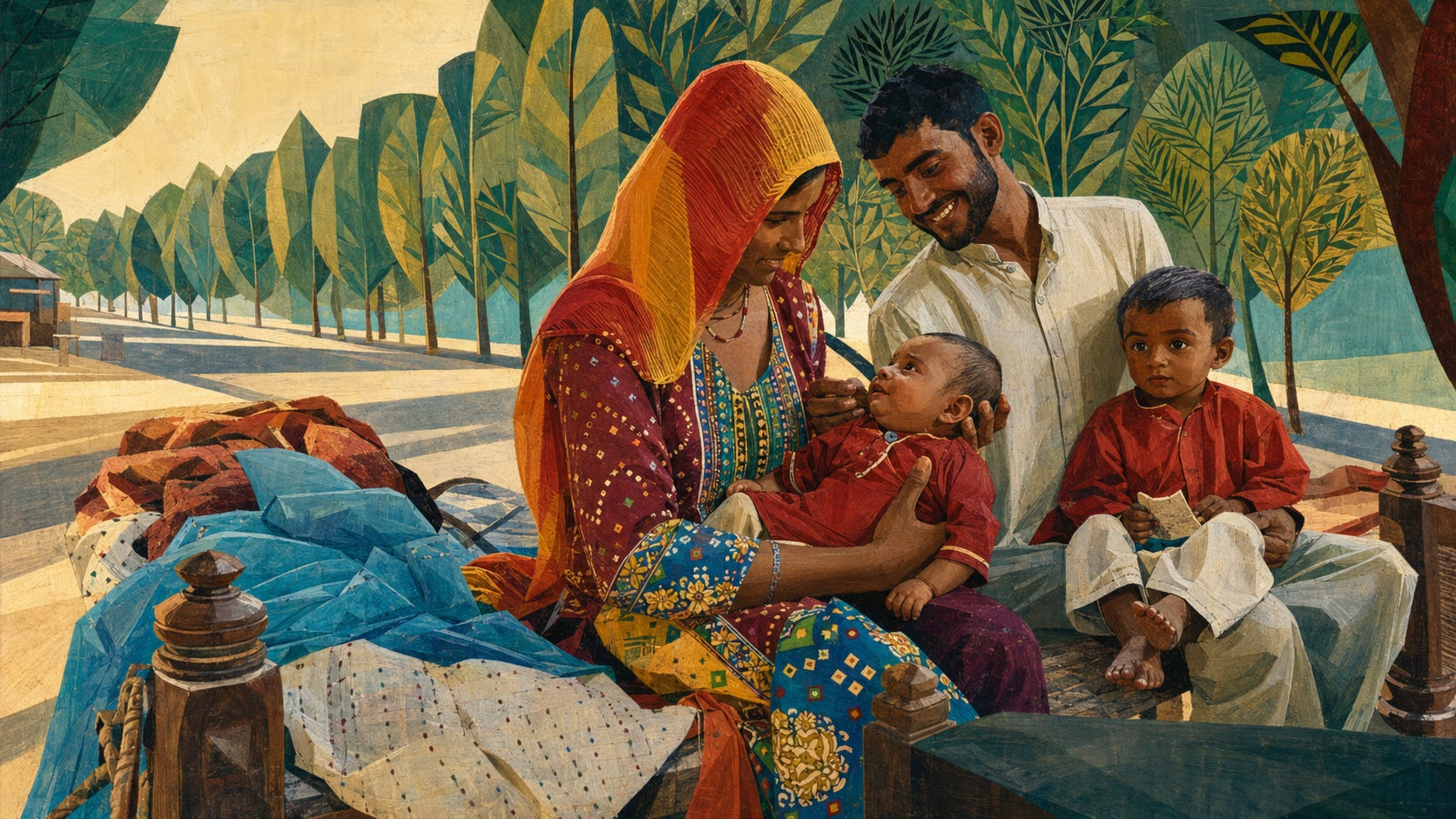
Pregnancy prevention is only one example. A boy or young man may need HPV vaccination, STI or HIV prevention, or age-appropriate reproductive health counseling. Later, questions about contraception, fertility, infertility, or sexual function may become more relevant. Still later, cancer treatment can raise questions about fertility preservation or sexual health that were never discussed before. These needs vary across the life course, and they differ from many of the needs of women. This is exactly the point. Men do not need the same care as women. They need the chance to receive care that is relevant to them.
Our policies do not consistently reflect that reality. Global Action on Men’s Health’s Out of Focus review examined 37 global and regional SRH policies. Only 16% specifically and deliberately addressed men’s own SRH needs. Where men did appear, they were often framed as partners in women’s health, as sources of risk, or as people whose behavior needed to change. Those issues matter, but they leave a large part of the picture incomplete. Men also experience infertility, sexual dysfunction, reproductive cancers, sexually transmitted infections, and other health concerns that deserve attention on their own terms.
I saw another side of this while working in Rwanda. Vasectomy was technically available, but availability on paper and meaningful access are very different things. As the Ministry of Health expanded provider training, community outreach, counseling, and service availability, vasectomy use increased substantially. Yet our research with men who ultimately chose vasectomy found that relatively few had previously been counseled about it by a healthcare provider; the information largely came from their wives. This project reinforced something I witnessed repeatedly in health programs: low use of a service does not necessarily mean low interest. Sometimes people have never really been offered the service in a way that makes it visible, valuable, or available to them.
One of the lessons I have taken from this work is that men are not only ‘health consumers.’ They are also husbands, partners, fathers, sons, coworkers, and friends. Like women, their health decisions do not stay neatly contained within a clinic visit. They move through relationships and households. Several of the programs I worked were focused primarily on women’s health. Frequently, the women themselves asked whether their husbands could also receive information. Sometimes the topic was contraception. Sometimes maternal health. Sometimes menstrual health and management. They wanted their partners to understand what they were learning, to make conversations at home easier, and in return making it easier for them to seek or continue care.
We saw this clearly in Malawi. In the Male Motivator project, men met with trained male peers who provided family planning information and helped them build communication skills with their partners. Men in the intervention group reported greater contraceptive use than men in the comparison group, and increased ease and frequency of communication with a partner was associated with contraceptive uptake. In follow-up interviews, women described how this tailored and direct engagement with their husbands shifted conversations that had previously gone nowhere. One woman put it plainly: her husband “never believed me until the coming of the male motivator.”
Bandebereho in Rwanda pushed that idea much further. The program worked with men and couples around fatherhood, communication, reproductive and maternal health, caregiving, decision-making, and family relationships. The early findings were strong. What makes the program especially important to me, though, is what happened later. Six years after the intervention, families who had participated were still reporting better outcomes across intimate partner violence, parenting, maternal health-seeking, father engagement, mental health, household labor, and decision-making.
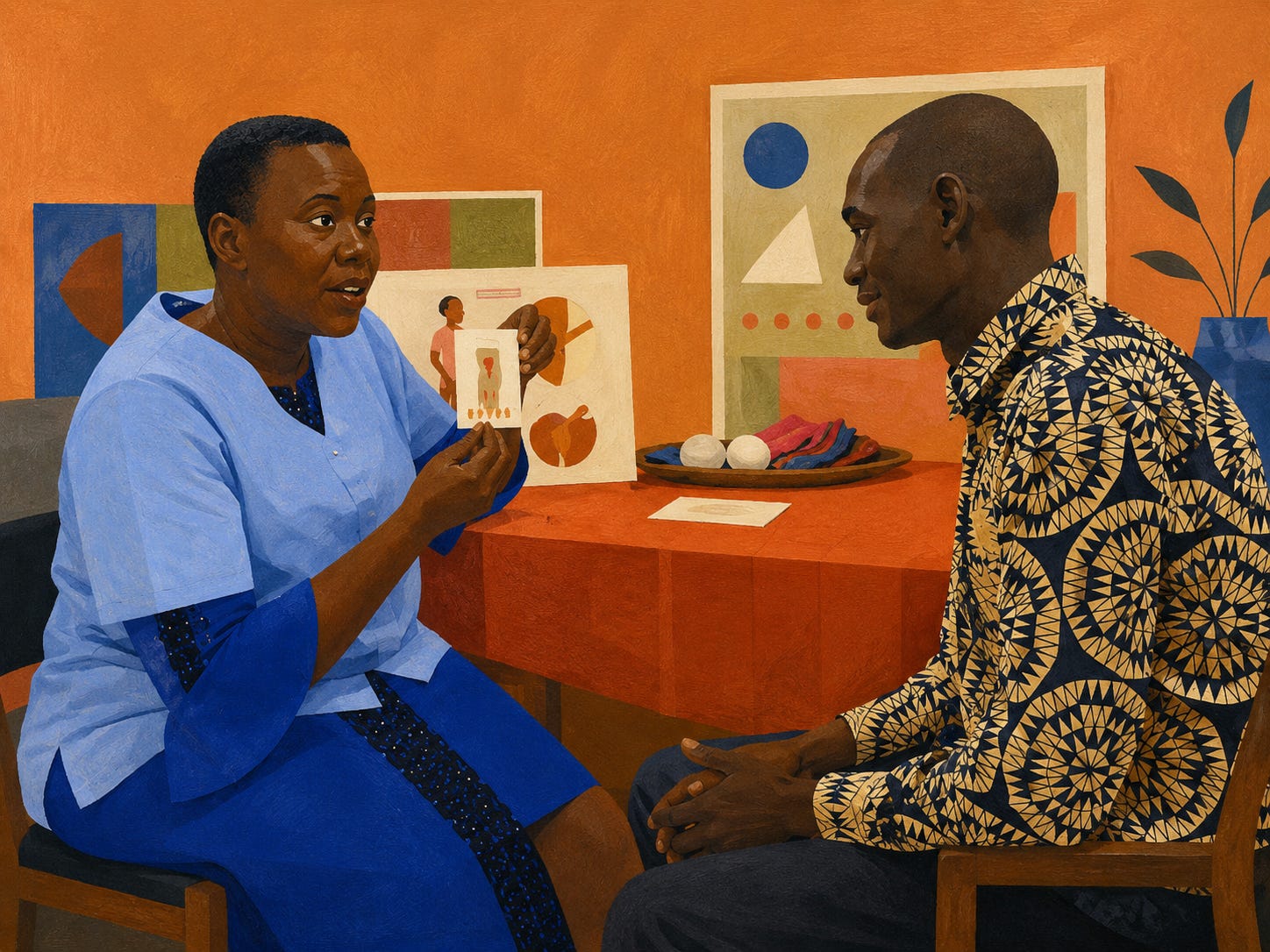
Bandebereho was designed with the understanding that men live and make health decisions in relationship with other people. That same idea appears across a much larger evidence base. A recent review by Gottert and colleagues brought together 35 systematic reviews of interventions engaging men and boys in SRH. The studies varied widely, but the review found substantial evidence that men can be successfully engaged as clients, partners, and agents of change, with benefits for both men and women.
The important question now is what we do with that evidence. We have learned a great deal about involving men as partners and participants, and engagement is already established. What remains uncertain is whether our policies and services are prepared to treat them as patients.
Taking men seriously as SRH clients does not require building a separate health system for men. In many cases, the opportunities are already sitting inside services we have. A young man coming in for STI testing can also be asked whether he has other reproductive health questions. A couple seeking infertility care can be evaluated with both partners in mind from the beginning. A man facing cancer treatment can be told when his fertility or sexual function may be affected. Someone considering contraception can be counseled as a client rather than the partner of the person expected to carry most of the responsibility. None of these changes requires a parallel system. They require existing services to recognize men when men have a legitimate reason to be there.
There is another reason this matters now. SRH is facing significant political pressure in many places. At a moment like this, narrowing the group of people who see themselves as having a personal stake in these services makes little sense. When rights and services are under pressure, narrowing the constituency for SRH is the wrong response. We should widen it. More men should be able to see reproductive and sexual health as an area of health that matters to them, their partners, and their families. If we say sexual health is for “Every Body,” our policies and services should make that visible in who is actually offered information, prevention, treatment, and care.
That is also the question behind a new Call to Action being developed by Global Action on Men’s Health that will be available later this year. The aim is quite practical: asking global health institutions to look carefully at where men’s SRH needs are missing, narrowly defined, or assumed to be covered by policies that never really treat men as patients. The Call to Action builds from the systems we already have. It asks policymakers to address clear gaps in men’s SRH while preserving the attention and resources required for the very real reproductive health needs of women and girls.
What would our health systems look like if we expected men to be part of SRH, not simply as partners, but as patients?
That is where ‘Every Body’ becomes more than a theme. It becomes a question about who our policies and services are actually built to serve.
References
Doyle, K., Levtov, R. G., Karamage, E., Rakshit, D., Kazimbaya, S., Sayinzoga, F., Sibomana, H., Ngayaboshya, S., Rutayisire, F., & Barker, G. (2023). Long-term impacts of the Bandebereho programme on violence against women and children, maternal health-seeking, and couple relations in Rwanda: A six-year follow-up of a randomised controlled trial. eClinicalMedicine, 64, 102233. DOI
Gottert, A., Pulerwitz, J., Weiner, R., Okondo, C., Werner, J., Magni, S., & Mathur, S. (2025). Systematic review of reviews on interventions to engage men and boys as clients, partners and agents of change for improved sexual and reproductive health and rights. BMJ Open, 15, e083950. DOI
Hartmann, M., Gilles, K., Shattuck, D., Kerner, B., & Guest, G. (2012). Changes in couples’ communication as a result of a male-involvement family planning intervention. Journal of Health Communication, 17(7), 802–819. DOI
Labrecque, M., Kagabo, L., Shattuck, D., Wesson, J., Rushanika, C., Tshibanbe, D., Nsengiyumva, T., & Sokal, D. C. (2013). Strengthening vasectomy services in Rwanda: Introduction of thermal cautery with fascial interposition. Contraception, 87(3), 375–379. DOI
Shand, T., & Evoy, C. (2024). Out of focus: The representation of men in regional and global sexual and reproductive health policy. Global Action on Men’s Health.
Shattuck, D., Kerner, B., Gilles, K., Hartmann, M., Ng’ombe, T., & Guest, G. (2011). Encouraging contraceptive uptake by motivating men to communicate about family planning: The Malawi Male Motivator Project. American Journal of Public Health, 101(6), 1089–1095. DOI
Shattuck, D., Wesson, J., Nsengiyumva, T., Kagabo, L., Bristow, H., Zan, T., & Ngabo, F. (2014). Who chooses vasectomy in Rwanda? Survey data from couples who chose vasectomy, 2010–2012. Contraception, 89(6), 564–571. DOI
World Association for Sexual Health. (2026). World Sexual Health Day 2026: Every Body. World Sexual Health Day 2026 (Sexual Health Day).
SAY IT LOUDER FOR THE GUYS IN THE BACK! Seriously, we need men to normalize talking about these issues more.